
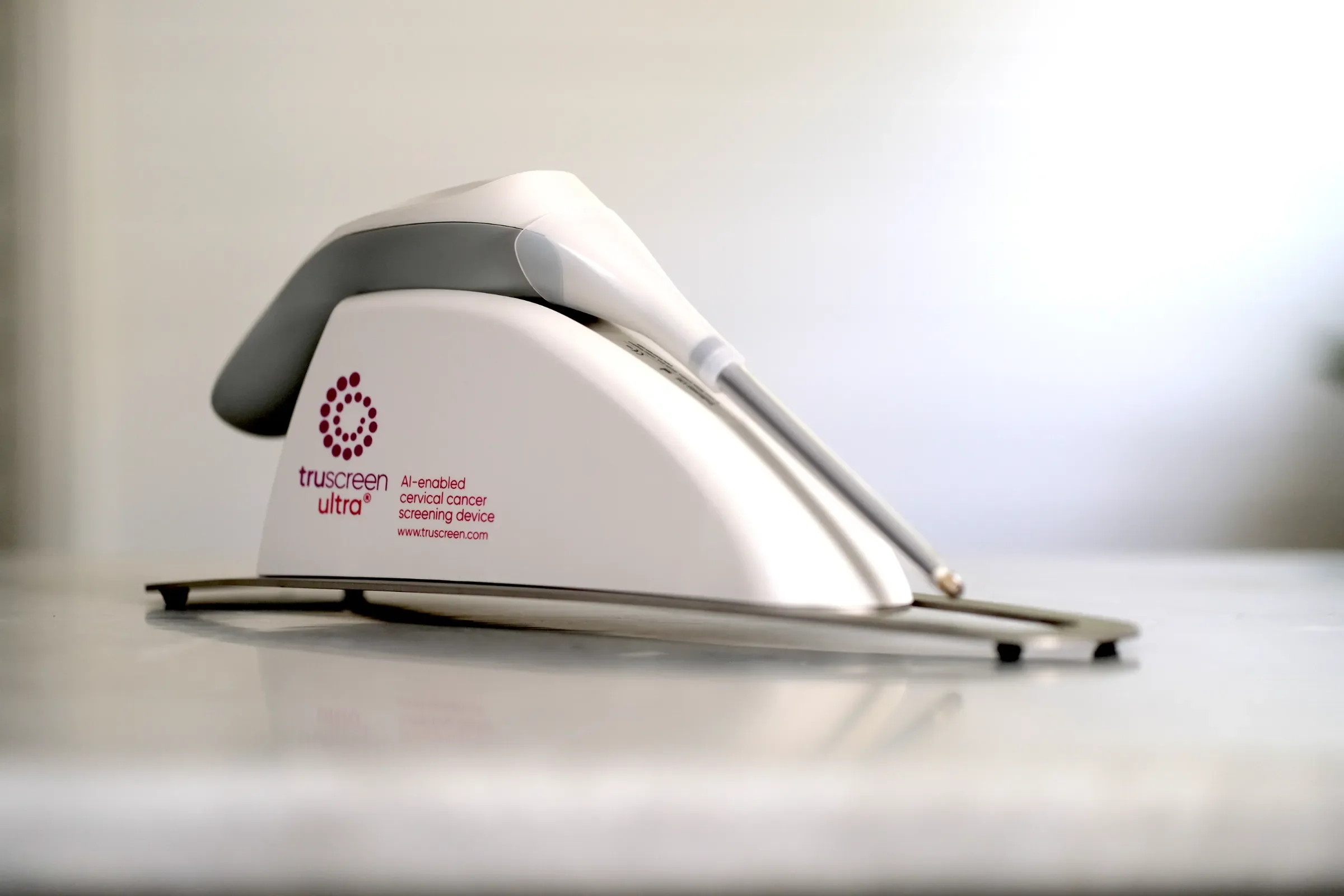
The TruScreen Device
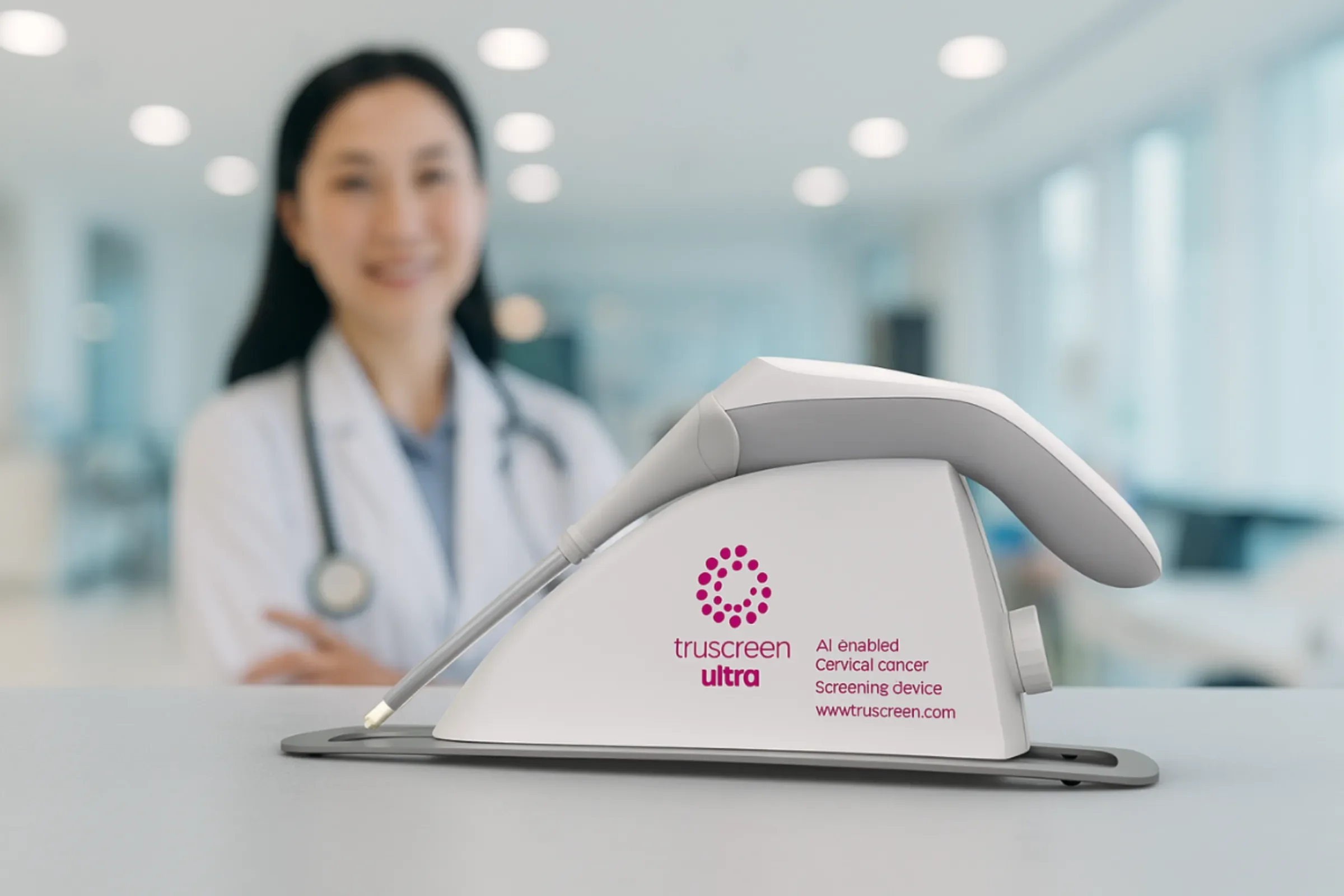
TruScreen’s breakthrough cervical cancer screening device is a viable and attractive alternative to traditional cervical screening methods.
The TruScreen device resolves many of the ongoing issues associated with cytology (Pap Smear) and other laboratory or human observation based technologies, including failed samples, poor patient follow-up, patient discomfort, and the need for supporting laboratory infrastructure.
It also resolves other issues associated with HPV testing, which tests for the much more prevalent HPV virus, and not the presence of pre-invasive cervical cancer states. These issues are particularly pertinent to TruScreen’s key target markets.
Can’t see the YouTube video in China? Watch on Bilibili
在中国看不到YouTube视?请在哔哩哔哩观看

How does the TruScreen device work?
The TruScreen device consists of a disposable Single Use Sensor (SUS), a Handheld Device (HHD), and an Intelligent Cradle (IC) that work together to detect and identify cancerous and precancerous changes to the cervix.

A pen-like wand covered by a Single Use Sensor (SUS) is used to gently touch multiple spots on the cervix. The SUS contains a precision lens and electrodes which interfaces with the cervix. In doing so, it sends and picks up low level electrical and optical signals (14 readings per second) from the cervical tissue.

The TruScreen Handheld Device then applies as an integrated AI-enabled algorithm to analyse these signals and compares them to an integrated database of 2,000 patients drawn from a wide range of geographic and ethnic backgrounds with differing histological diagnoses. This analysis identifies the presence of abnormal (cancerous and pre-cancerous) cells in the cervix and provides physicians with real-time results.

Each TruScreen examination takes one to two minutes to produce results, compared to conventional Pap tests which can take days, weeks, or even months in some countries, for a result to be returned.

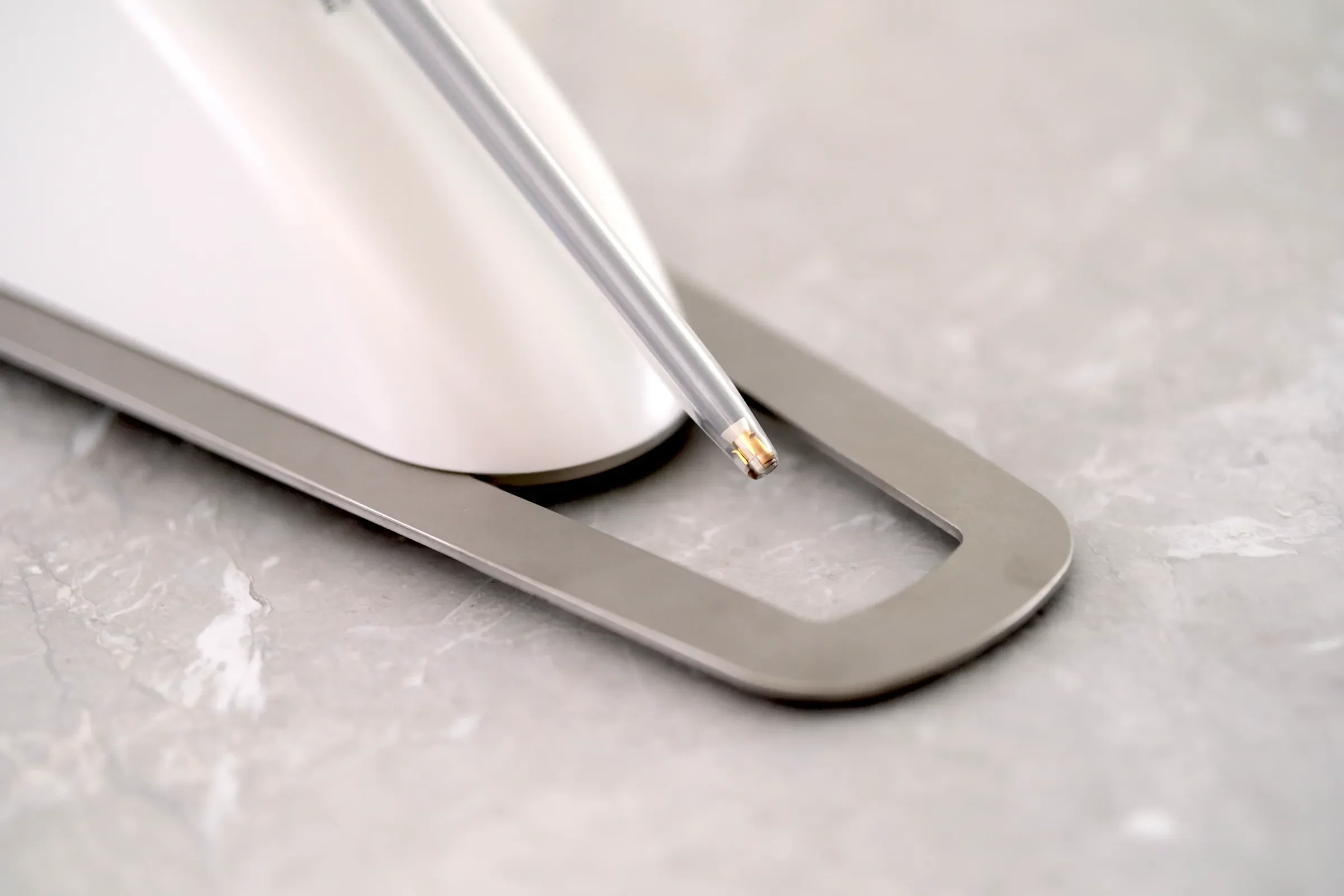
World class technology, made simple
TruScreen uses unique, proprietary Opto-Electrical technology to evaluate the tissue of the cervix. Unlike cytology, TruScreen does not only examine surface epithelial cells.
Specific frequencies of light transmitted through the cervical tissue to identify changes in the basal and stromal layers. 4 LED’s, red, distant red, infra red and green emit light at 3 wavelengths.
Electrical measurements test the cell’s resistance to current to characterise the tissue. This characterisation is called electrical impedance spectroscopy.
Despite its sophisticated technology, the TruScreen device is easy to learn and does not require a Doctor to operate.
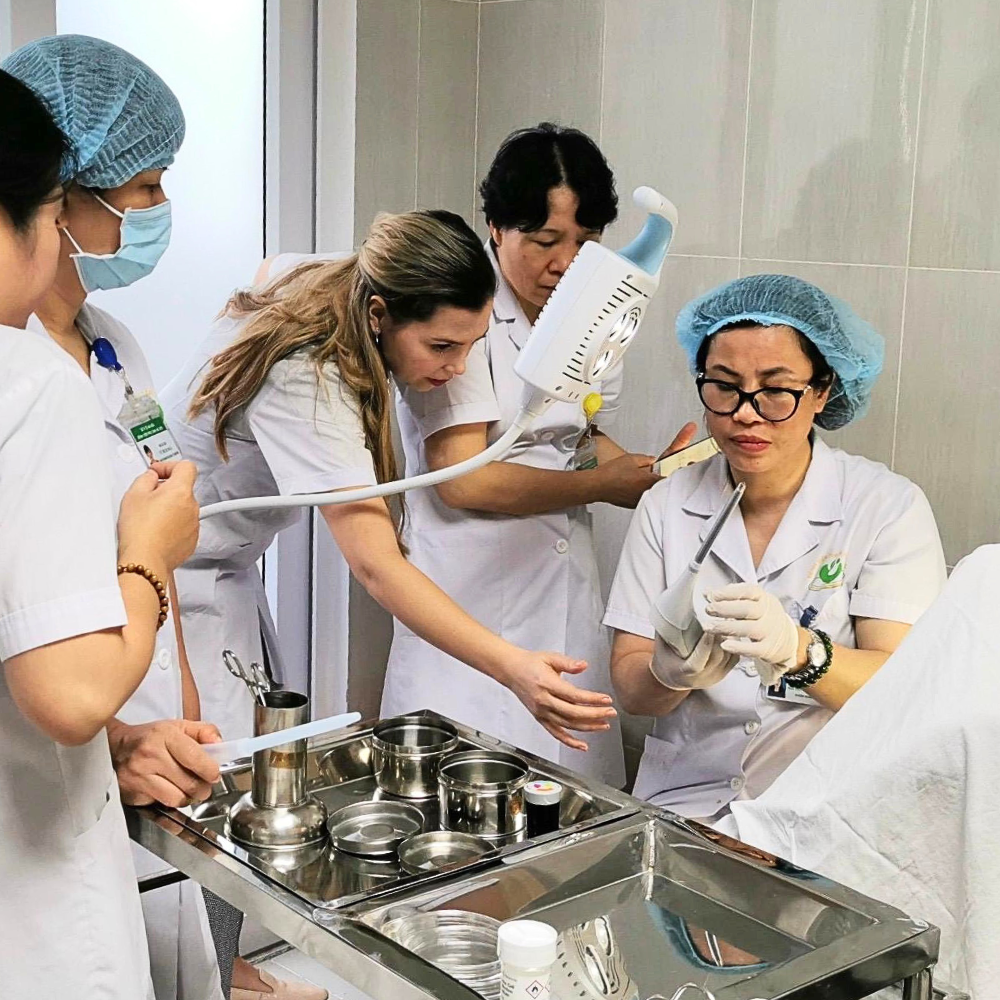
Pictured: TruScreen’s Dr Carolina Velasquez training nurses in Vietnam
How does screening with TruScreen compare to other methods?
The TruScreen device has been tested extensively in numerous studies around the world. Clinical studies have shown its performance is equal to, or better than, high-quality cytology tests.
The TruScreen device’s instant reporting eliminates delays associated with transporting samples to laboratories for analysis, thus avoiding the risk of losing patient contact.
Unlike cytology-based screening which requires laboratory infrastructure and involves high resource costs, the TruScreen device can be used effectively by medical or paramedical staff, with minimal training.
An ongoing study with the Chinese Obstetrics and Gynaecology Association (COGA) comparing TruScreen to Liquid-Based Cytology (LBC) and HPV DNA testing (HPV) showed TruScreen has exceeded expectations.
Results demonstrated TruScreen has a sensitivity of 89.29% (compared to 67.87% for Liquid-Based Cytology (LBC) and 92.86% for HPV tests) and a specificity of 87.17% (LBC 90.07%, HPV 87.17%).
Sensitivity and specificity are measures of a test’s ability to correctly diagnose a disease.
High sensitivity results in fewer false negatives
High specificity results in fewer false positives in the screening process.
The TruScreen device is not only an accurate system for cervical cancer screening, but importantly for Low and Middle Income Countries (LMICs), it is a portable device that can be used with minimal training and without the infrastructure associated with traditional cytology screening tests.
Additionally, unlike Pap tests, the device does not collect tissue samples - meaning patients experience minimal discomfort and pain. This means patients are more likely to return for repeat screenings thereby improving overall screening rates.
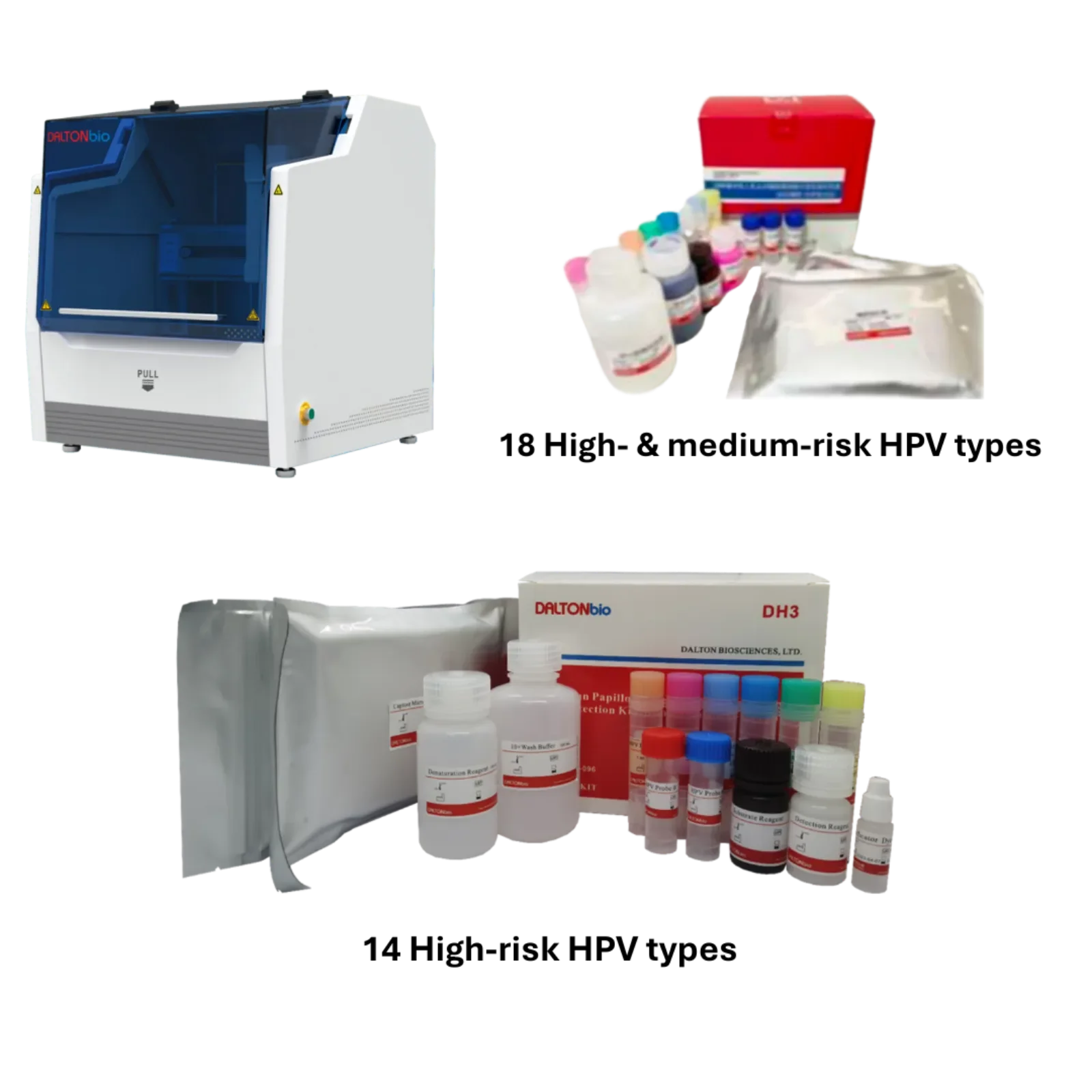
Complementary HPV test kits by Dalton Biosciences
In February 2025, TruScreen partnered with Dalton Bioscience, a leading China based manufacturer of high-performance HPV DNA tests and laboratory equipment for cervical cancer screening, to distribute complementary HPV-related In Vitro Diagnostics (“IVD”) products through TruScreen’s global distribution network.
Let’s work together
If you would like to discuss how TruScreen can support your market, we’d love to hear from you.
Can’t see the form? Email us at info@truscreen.com.
Sign up for regular
updates and
announcements.
Can’t see the form? Email us at marketing@truscreen.com to subscribe.